Last Updated on September 19, 2026 by YeJahan
YEJAHAN DESK
WASHINGTON (Sept 19): In an unprecedented escalation of his war on the press, US President Donald Trump has barred three major American news outlets from the White House, a move that press freedom advocates have swiftly condemned as flatly unconstitutional.
On Saturday morning, correspondents and photographers from CNN and MS NOW were turned away at the gates of the executive mansion, their security credentials deactivated and confiscated by federal officers.
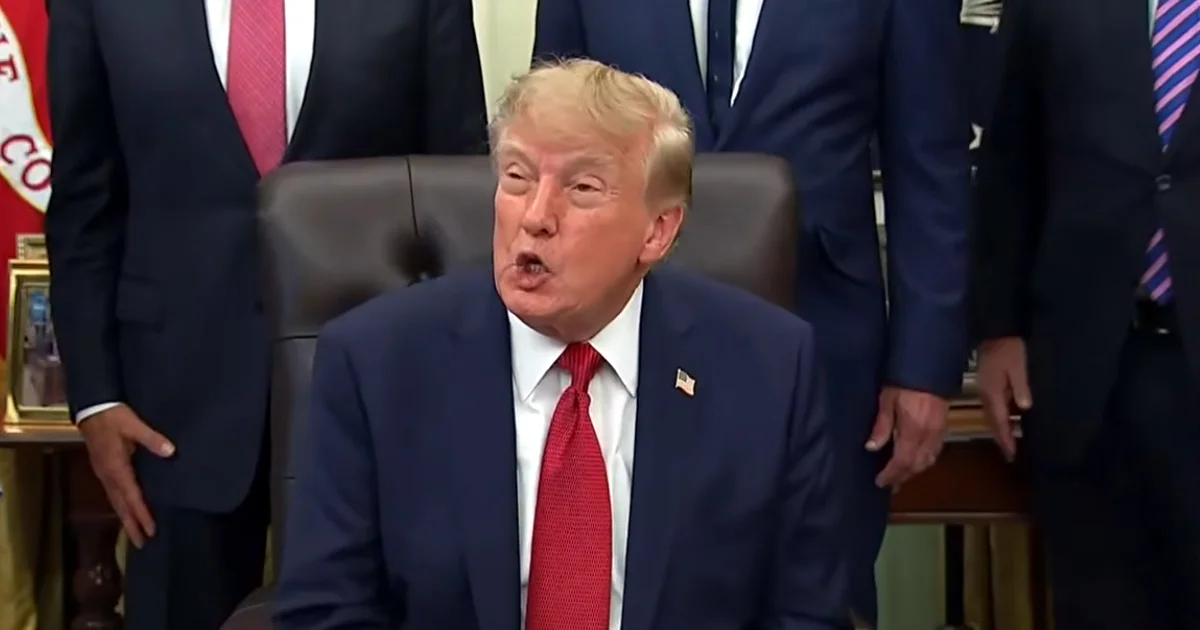
The move follows a Friday evening announcement by President Trump, who declared he was imposing a blanket ban on CNN, MS NOW, and the political news site Politico. He accused the targeted organisations of peddling “fiction or lies” about his administration.
The reality of the ban set in at the White House security checkpoints just hours later. Akayla Gardner, a reporter for MS NOW, described the moment she and a colleague were stopped by the Secret Service.
“The officer asked me to hand over my badge. He said that it was disabled,” Gardner said. “I asked why I was not able to get inside. He said it was above him.”
In a bizarre wrinkle displaying the erratic implementation of the directive, Gardner noted that while her credential and that of an accompanying photographer were seized, an MS NOW producer managed to scan through the gates successfully. Security officials offered no explanation for the discrepancy.
Moments later, CNN reporter Betsy Klein was similarly blocked, with a Secret Service agent informing her that her badge had been deactivated. It remains unclear whether any correspondents from Politico attempted to enter the complex on Saturday morning.
The targeted networks hit back immediately, framing the decision not merely as a dispute over media access, but as a fundamental breach of American constitutional law.
“The White House belongs to the American people and the decisions made inside are funded by our tax dollars,” an MS NOW spokesperson said in a statement, vowing to “take any and all steps necessary” to defend the press’s constitutional role.
CNN echoed the sentiment, branding the ban an “illegal assault” on the First Amendment. “We have a right under the US Constitution to do our reporting without hindrance or interference from the government,” the network said.
CNN statement following being denied access to the White House grounds this morning: pic.twitter.com/7Ox03COW0o
— CNN Communications (@CNNPR) September 19, 2026
When pressed on what specific reporting had triggered the blacklisting, Donald Trump failed to point to any single article or broadcast. Instead, he claimed the decision was driven by “cumulative stories over the last few years.”
Worryingly for the wider Washington press corps, the President hinted that the blacklist could soon expand. “There may be others to join them,” Trump warned. When later pressed by reporters to clarify who else might face exile, he targeted two giants of American print journalism: “Others to come in terms of fake news? Well, you know, the New York Times is fake news, the Washington Post is fake news.”
Legal experts and media watchdogs expect the administration’s directive to trigger an immediate, high-stakes battle in the federal courts—one that the White House is widely tipped to lose.
Bruce Brown, president of the Reporters Committee for Freedom of the Press, stated that the ban was “flatly unconstitutional” and expected it to be struck down swiftly by a judge.
“The First Amendment is clear,” Brown said. “Once the White House invites in some journalists, it can’t ban others because it doesn’t like their reporting.”