Last Updated on October 21, 2026 by YeJahan
YEJAHAN DESK
ISLAMABAD (Oct 21): A key Pakistani defense official warned Tuesday that India is transitioning toward a highly combat-ready nuclear posture that could allow New Delhi to launch a preemptive strike with “virtually no warning,” dangerously upsetting the strategic balance in South Asia.
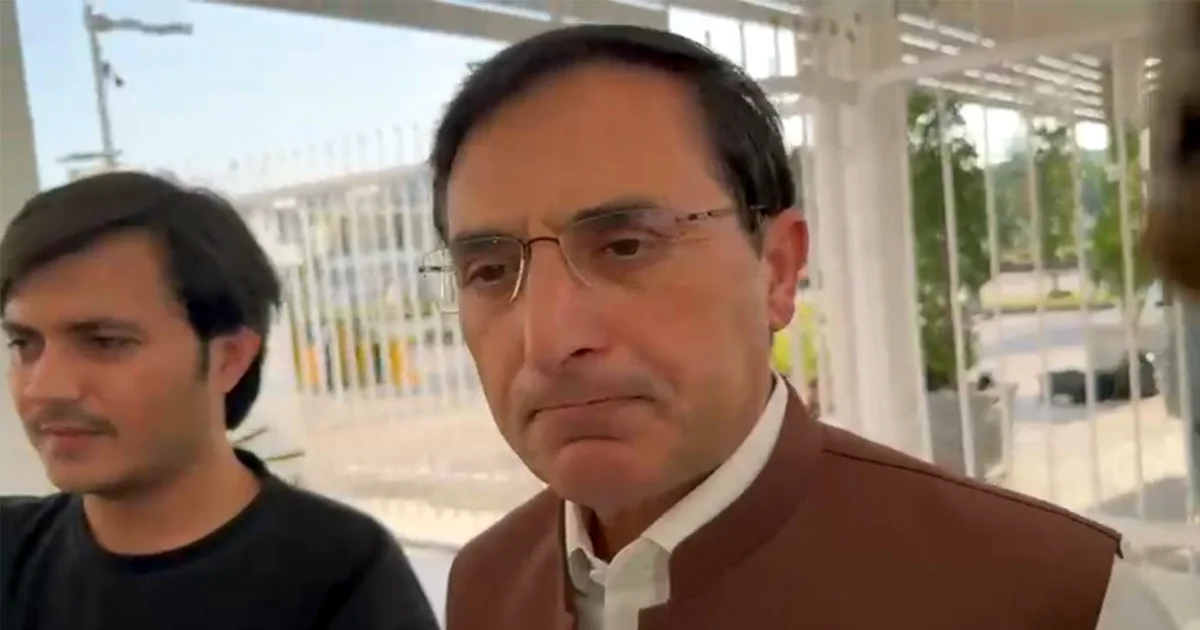
Speaking at the Islamabad Non-Proliferation Conference, Lt. Gen. Khalid Kidwai (retd), an adviser to Pakistan’s National Command Authority (NCA), said Islamabad would take all necessary steps to maintain regional deterrence.
“Pakistan has never accepted, and will never accept, strategic imbalances being created in South Asia,” Kidwai told attendees at the event on Tuesday, which was hosted by the Strategic Vision Institute.
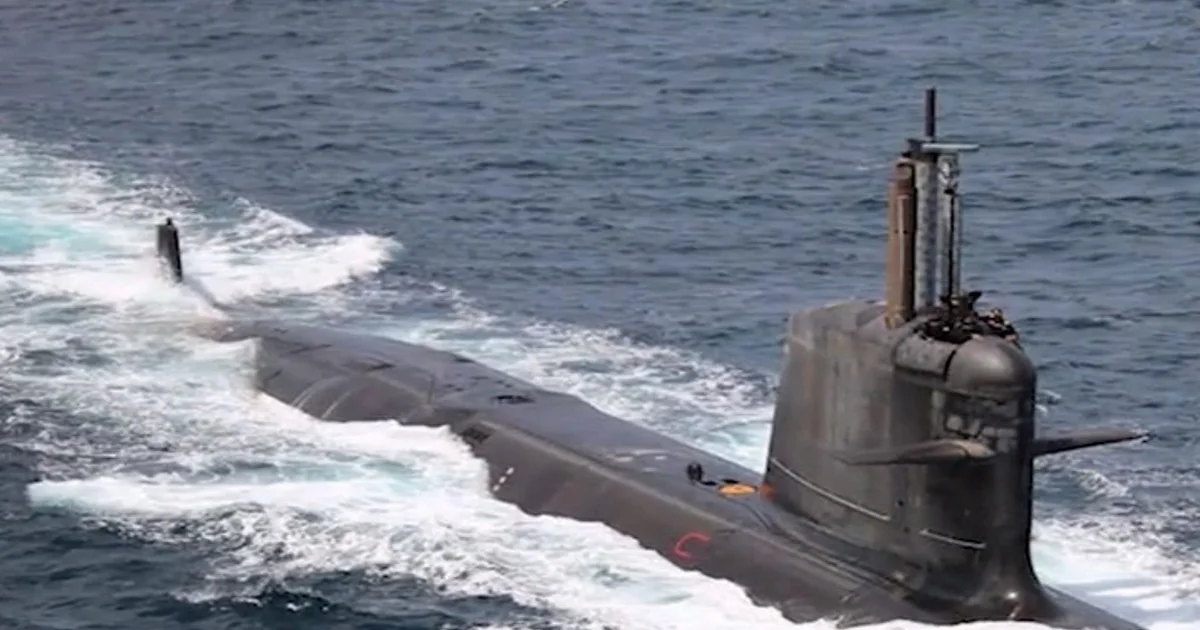
He pointed to reports from the Stockholm International Peace Research Institute (SIPRI) Yearbook 2026, saying, “India has operationally deployed around twelve nuclear weapons on a nuclear submarine for occasional deterrence patrols. It implies that India has now mated some of its nuclear warheads with their SLBMs and has conducted sea-based deterrence patrols. This irresponsible escalatory transition towards creating asymmetry in nuclear posture will have profound destabilizing effects on South Asian Strategic Stability.
🎙️ Keynote Address | INC 2026 Lt. Gen. Khalid Ahmed Kidwai NI, HI, HI (M), (Retd), Advisor Development, National Command Authority, Pakistan delivers his remarks. While mentioning the SIPRI Yearbook 2026, Lt. Gen. Kidwai mentioned two serious developments: First, India has operationally deployed around twelve nuclear weapons on a nuclear submarine for occasional deterrence patrols. It implies that India has now mated some of its nuclear warheads with their SLBMs and has conducted sea-based deterrence patrols. This irresponsible escalatory transition towards creating asymmetry in nuclear posture will have profound destabilizing effects on South Asian Strategic Stability. The deployment of nuclear weapons by India in a ready-to-launch operational status generates the strategic effect of altering the heretofore prevailing nuclear readiness status quo. It is irrelevant whether the platform is of a first-strike or a second-strike capability. While Pakistan remains committed to peace, strategic stability and responsible nuclear stewardship, it cannot at all ignore these dangerous escalatory steps. Pakistan reserves the right to undertake all appropriate measures to safeguard its national security and preserve strategic balance in the region under all circumstances. Pakistan will review and reconsider all options for appropriate deployments in order to restore the strategic balance and strategic stability while retaining the policy of strategic ambiguity. The second item is more statistical: India has overtaken Pakistan’s nuclear weapons inventory by twenty odd nuclear weapons, 190:170. Referring to these statistics, he emphasized that Pakistan has confidence in its nuclear capabilities, quality, and reach, urging India to carefully assess Pakistan’s Full Spectrum Deterrence policy and its implications for strategic deterrence, regional stability, and India’s security. Watch it Live. Youtube:https://t.co/DfzCZFK6KF Facebook:https://t.co/CQEC8iBcwA
— Strategic Vision Institute (@SVI_Pakistan) October 20, 2026
Kidwai argued that the mating of nuclear warheads with submarine-launched ballistic missiles, combined with New Delhi’s push toward missile canisterization, where missiles are stored in ready-to-launch containers, effectively contradicts India’s publicly stated “No First Use” nuclear policy.
“The operational reality that emerges is that India can undertake a first strike against Pakistan at zero notice,” Kidwai said, criticizing India’s failure to provide advance notification for submarine-launched missile tests. He added that Pakistan would retain its policy of “strategic ambiguity” but would “review and reconsider all options for appropriate deployments” to restore regional equilibrium.
The conference, which drew international nuclear experts to examine shifting global deterrence frameworks, also focused heavily on the lessons of a brief, sharp military conflict between the two nuclear-armed neighbors in May 2025.
Lt. Gen. Sarfraz Sattar (retd), a former NCA adviser, noted that the 2025 hostilities escalated rapidly, involving the limited use of cruise and ballistic missiles by both sides, alongside the deployment of advanced electronic warfare, kamikaze drones, and supersonic BrahMos missiles. Sattar stated that India’s offensive “Cold Start” doctrine, paired with its development of multiple independently targetable re-entry vehicles (MIRVs) and ballistic missile defenses, continues to fuel deep regional uncertainty in the absence of a bilateral arms control treaty.
Four Canadian soldiers killed, dozens injured after wildfire rips through Alberta military base
Kidwai urged Indian leadership to carefully evaluate the risks, stating that New Delhi would be “well advised to read and re-read Pakistan’s policy of Full Spectrum Deterrence and seriously absorb its wide-ranging implications.”
“While Pakistan remains committed to peace, strategic stability and responsible nuclear stewardship, it cannot at all ignore these dangerous escalatory steps. Pakistan reserves the right to undertake all appropriate measures to safeguard its national security and preserve strategic balance in the region under all circumstances. Pakistan will review and reconsider all options for appropriate deployments in order to restore the strategic balance and strategic stability while retaining the policy of strategic ambiguity,” he said.
Copyright Yejahan News Network, 2026