Last Updated on October 31, 2026 by YeJahan
YEJAHAN REPORT
ISLAMABAD (Oct 31): The government has accelerated the privatization of Discos, the state-owned power distribution companies, setting a firm deadline to complete the bidding process for three frontline utilities within the first quarter of next year.
The initial phase will see the divestment of the Faisalabad Electric Supply Company (Fesco), Gujranwala Electric Power Company (Gepco), and Islamabad Electric Supply Company (Iesco). Due diligence for all three entities is actively underway.
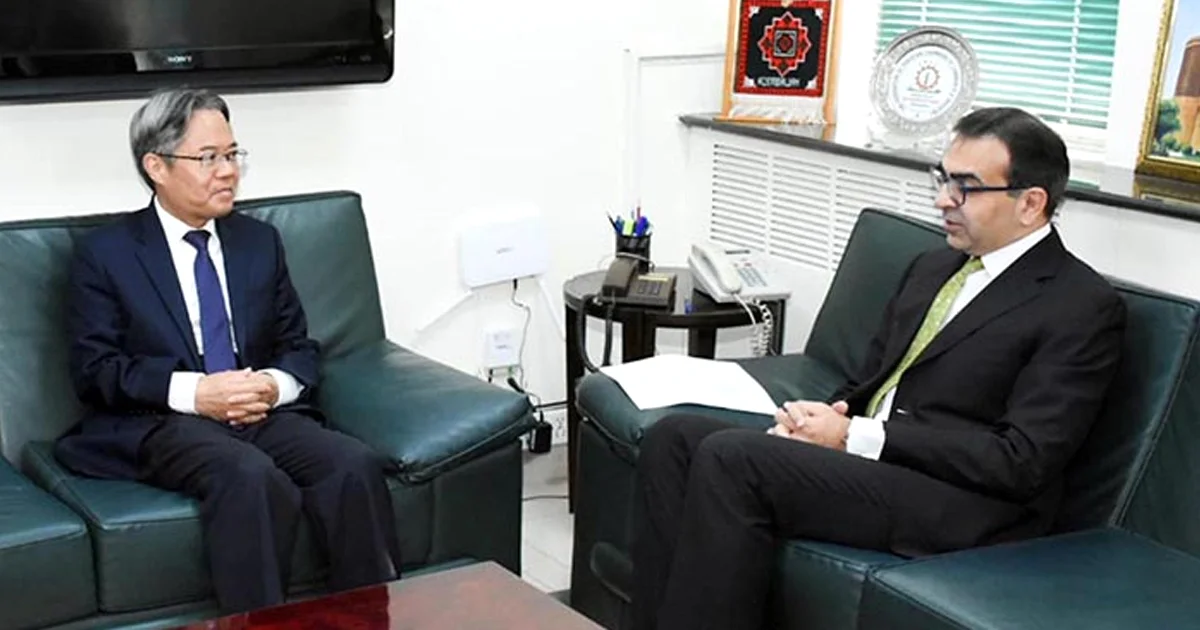
Special Assistant to the Prime Minister on Power, Muhammad Ali, described the privatization drive as the country’s “last opportunity” to overhaul its bleeding energy sector. He warned that if the fundamental ailments of the power sector remain unaddressed, they will inevitably balloon into a critical national security crisis. Mr. Ali highlighted 2027 as the definitive, make-or-break year for the privatization roadmap.
Beyond the initial phase, preparatory work has already commenced for the privatization of the Hyderabad and Sukkur electric supply companies (Hesco and Sepco). Concurrently, preliminary progress is being recorded for the eventual sale of distribution networks serving Lahore, Multan, Peshawar, and Hazara.
The primary objectives of the privatization strategy are to lower electricity prices, foster a competitive open market, and fix deep-seated structural issues. However, the state plans to hold incoming buyers to strict regulatory and financial conditions.
While investors will be guaranteed policy and tariff continuity, multi-year tariffs and capital investment blueprints must be locked in before ownership transfers. A proposal for a binding seven-year investment plan is currently on the table.
Investors will be allowed fair financial returns, but the government has explicitly ruled out “abnormal” profits. Crucially, all dividends will be paid in Pakistani Rupees (PKR) rather than US Dollars, with returns indexed to inflation and operational efficiency.
The National Electric Power Regulatory Authority (Nepra) must operate as a fully autonomous, professional regulator to police the post-privatization landscape.
The government intends to tie performance evaluation directly to the deployment of smart meters and the provision of uninterrupted power. Financial incentives will be offered to private operators who successfully curb transmission losses and improve billing recoveries. However, any financial relief generated from reducing technical and commercial losses must be shared transparently with end consumers.
Addressing widespread labor anxiety over corporate restructuring, Mr. Ali assured that the rights and employment security of existing Disco workers will be legally safeguarded. To achieve this, the government intends to embed strict job-security clauses within the sales agreements, legally barring private buyers from laying off staff for a contractually specified transition period.
Pakistan currently possesses a total power generation capacity of 40,000 megawatts. However, the national grid is crippled by an annual liability of approximately Rs1,700 billion in capacity payments to power generation companies. Mr. Ali emphasized that resolving this massive capacity payment bottleneck is an absolute prerequisite to establishing a functioning, competitive electricity market.
The country’s power infrastructure currently caters to an estimated 38 million consumers, who collectively utilize 110 billion units of electricity annually. The envisioned retail market model aims to dismantle regional monopolies, granting consumers the freedom to choose their own electricity provider. Under this competitive framework, different distribution companies will be encouraged to introduce varied tariffs and consumer packages, a mechanism the government expects will naturally drive down retail power prices.
The state’s privatization blueprint extends well beyond electricity distribution. The government is actively reviewing the feasibility of divesting other state-owned energy giants, including Sui Southern Gas Company (SSGC), Sui Northern Gas Pipelines Limited (SNGPL), and Pakistan State Oil (PSO).
For the national oil marketing company, PSO, a structural proposal is being evaluated to retain strategic divisions under state ownership while offloading non-strategic commercial operations to private investors. Meanwhile, the future corporate structure of both state-owned gas utilities is being aligned with ongoing recommendations provided by the World Bank.
Copyright YeJahan News Network, 2026