
Last Updated on November 7, 2026 by YeJahan
YEJAHAN DESK
ISLAMABAD (Nov 7): Viral social media maps projecting catastrophic radioactive fallout across Pakistan, Afghanistan, and the Gulf region from potential strikes on Iranian nuclear facilities are scientifically unfounded and ignore basic radiological physics, according to a comprehensive technical and strategic security assessment.
The panic, which gained traction following public commentary by American professor Robert A. Pape warning of inevitable transboundary radiation, has been widely circulated without empirical data, atmospheric dispersion modeling, or a fundamental understanding of Iran’s nuclear infrastructure.
A rigorous analysis of the facilities reveals a critical scientific distinction between uranium enrichment plants and operational nuclear power reactors. Industrial enrichment complexes like Natanz and Fordow, alongside the uranium conversion facility at Isfahan, handle uranium isotopes that lack the highly volatile fission products found in irradiated reactor fuel. While a conventional strike could cause severe localized contamination within the boundaries of a damaged facility, it does not possess the radiological inventory required to generate a massive, transboundary radiation plume capable of reaching neighboring countries.
This assessment is reinforced by real-world precedents. Following the localized US and Israeli military strikes in June 2025, which damaged above-ground infrastructure at Natanz and Fordow, the International Atomic Energy Agency (IAEA) monitored the perimeters and confirmed that radiation levels outside the affected facilities remained entirely normal.
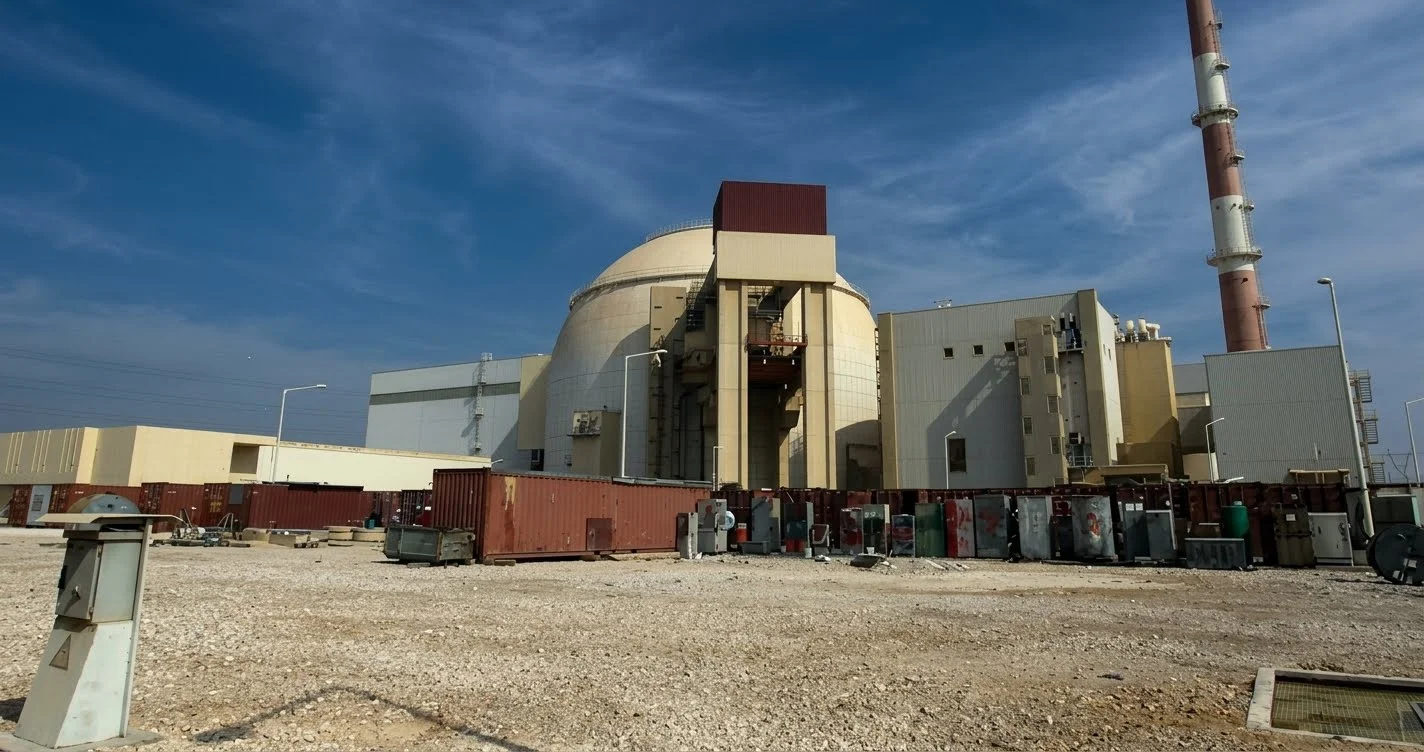
The evaluation notes that a significantly different radiological hazard would exist only in the case of a fully operational nuclear power plant, such as the Bushehr facility situated on the Persian Gulf coast. If a conventional strike were to severely compromise Bushehr’s reactor core, cooling systems, and safety barriers, prevailing maritime wind patterns could indeed carry highly variable contamination across the Gulf to states like Saudi Arabia, Kuwait, and the UAE. However, such an outcome is far from inevitable. Furthermore, Bushehr is a civilian infrastructure asset under strict IAEA safeguards with no reported military diversion, making an attack highly unlikely due to strict prohibitions under international humanitarian law and the Geneva Conventions.
The seven-day countdown: Inside Tucker Carlson’s warning of nuclear brinkmanship and World War III
The analysis also dismisses speculative scenarios regarding the use of tactical nuclear weapons by Western planners as extreme and highly unrealistic. Resorting to nuclear options would cross a catastrophic global threshold, triggering global diplomatic isolation and immense international condemnation without guaranteeing a definitive military victory. Given Iran’s demonstrated structural resilience during past regional escalations, a nuclear strike would likely destabilize the Strait of Hormuz and spark an unmanageable, cyclical regional war, rendering conventional military, economic, and diplomatic options the only viable strategic alternatives.