Last Updated on November 25, 2026 by YeJahan
YEJAHAN DESK
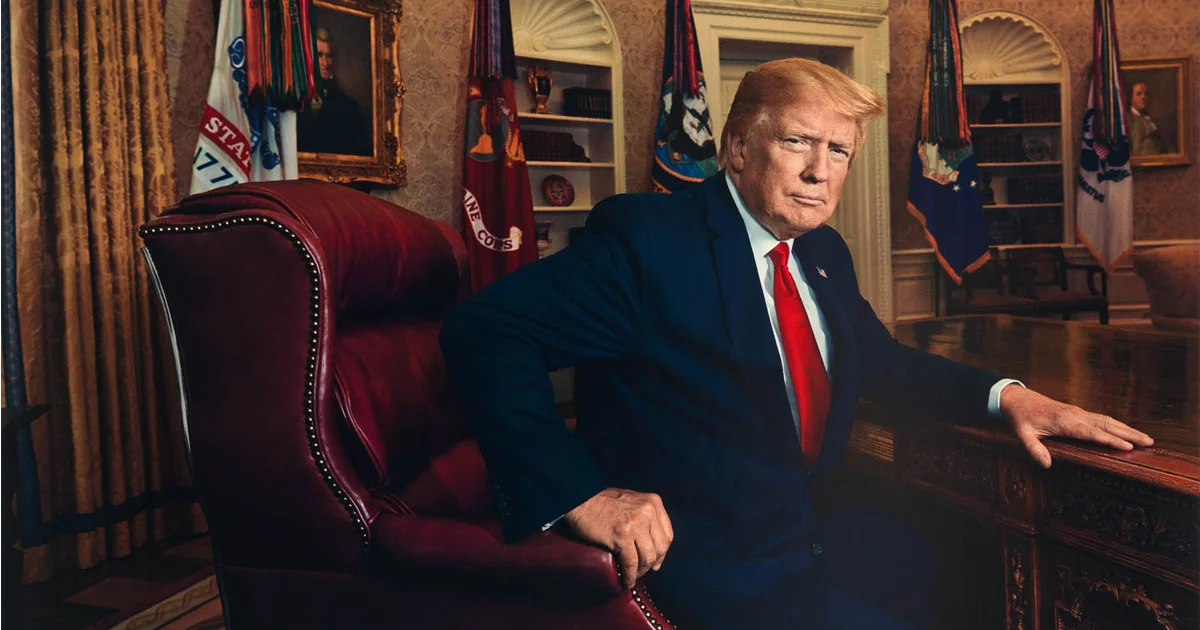
WASHINGTON, Nov 25: The Trump administration unveiled on Wednesday a sweeping round of proposed tariffs on Wednesday targeting China, the European Union, and 12 other major U.S. trading partners, escalating global trade tensions in response to what Washington describes as state-backed manufacturing overcapacity.
The proposed duties, reaching up to 20% for several nations, follow an eight-month investigation conducted under Section 301 of the Trade Act of 1974. According to the White House, the targeted countries subsidize industrial output beyond global demand, distorting markets and restricting U.S. commerce.
China remains the primary focus of the measures. Administration officials characterized the proposed 20% duty on Chinese goods as an initial “deal rate” that will stack onto existing tariffs, pushing total levies above 40% on certain products. While investigators concluded that a 40% rate on China and a 35% rate on Vietnam were warranted, officials opted for lower initial figures while bilateral negotiations continue.
Beijing swiftly condemned the announcement. A Chinese Foreign Ministry spokesperson dismissed the overcapacity claims as a “false proposition,” accusing Washington of using trade metrics as a pretext for political manipulation, according to state media.
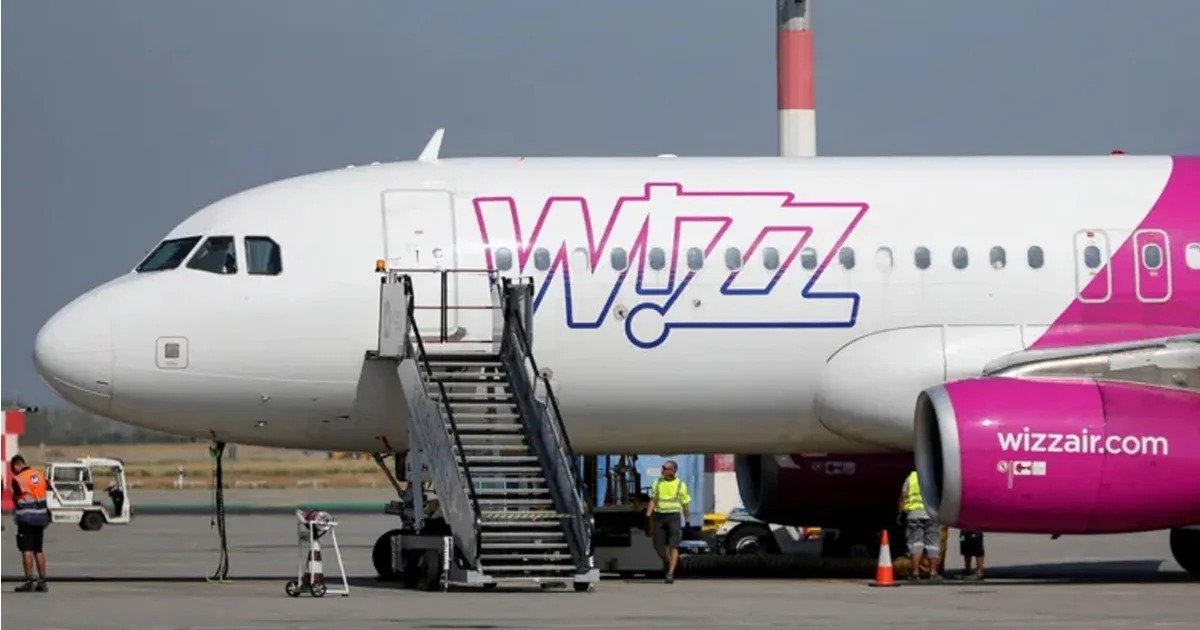
Despite the friction, commercial ties showed signs of resilience this week. In a Tuesday regulatory filing, Xiamen Airlines, a subsidiary majority-owned by China Southern Airlines, announced plans to purchase 50 Boeing 737-8 aircraft in a deal valued at roughly $7.4 billion.
Across Asia, Vietnam faces a proposed 20% tariff, while Cambodia, Indonesia, and Malaysia are slated for 18% duties. India is set to receive a 17% rate, contingent on the outcome of ongoing trade discussions.
Other major allies will see more predictable adjustments. The European Union, Japan, and South Korea face a 15% rate, aligning with caps established in recent bilateral trade agreements. Meanwhile, the administration announced plans to adjust tariffs on Brazil, adding a 10% levy on sugar and finished aircraft. Findings from parallel investigations into Norway and Mexico remain under review.
To shield critical supply chains and domestic consumers, the White House exempted several key sectors from the new duties. Semiconductors, automobiles, steel, and aluminum, which fall under separate tariff authorities, are excluded, alongside previously carved-out energy and food products.
US offers $20m bounty for Iran nuclear intelligence despite Trump’s claims of total destruction
The proposed tariffs will not take effect immediately. A senior U.S. official told reporters that the measures must first undergo public comment periods and formal hearings, placing the earliest implementation date in January, coinciding with the Jan.
Copyright YeJahan News Network, 2026