Last Updated on November 3, 2026 by YeJahan
YEJAHAN DESK
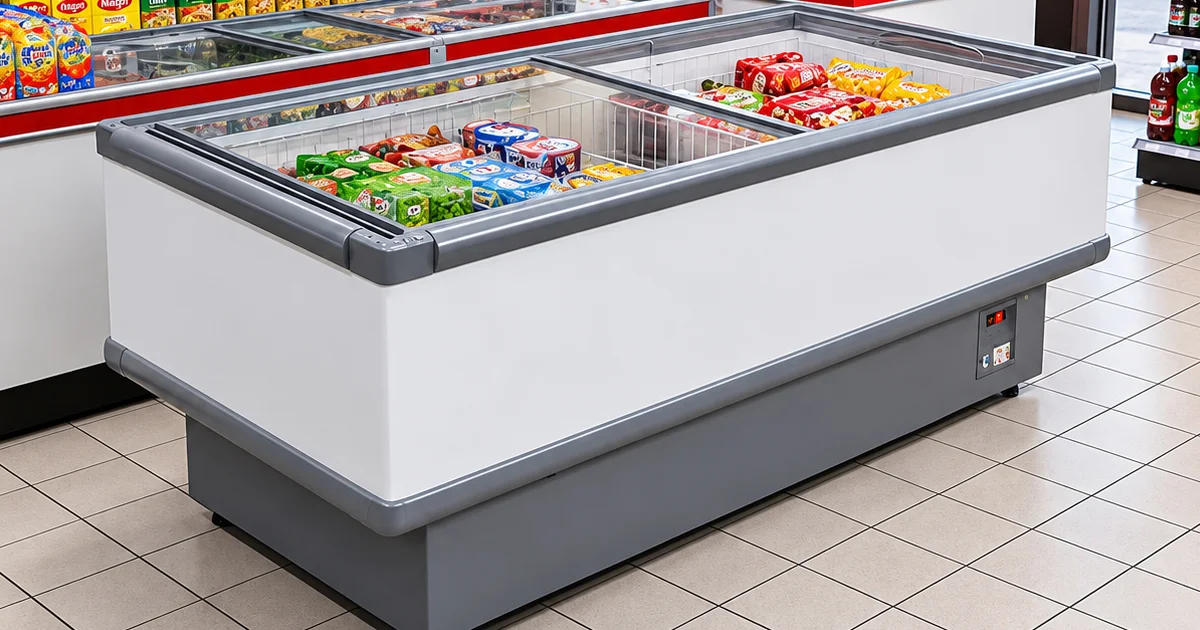
PARIS (Nov 3): A coordinated wave of cyberattacks has struck supermarket chains across at least seven European countries, forcing refrigeration units into maximum heat settings, destroying vast quantities of food, and triggering a continent-wide security alert.
Retailers in Belgium, Estonia, Ireland, Finland, Luxembourg, the Netherlands, and Sweden all reported severe malfunctions on Monday. Several companies confirmed their systems were breached by hackers who overrode remote climate controls, in some instances forcing temperatures inside fridges and freezers to soar as high as 50°C (122°F).
The crisis follows a near-identical attack in France last month, where hackers seized control of cooling units in roughly 700 supermarkets. That initial breach caused fires and food spoilage estimated in the tens of millions of euros.
The recurring disruptions have alarmed European officials, who fear the vulnerability of modern retail infrastructure to state-sponsored hybrid warfare.
“This is a deliberate attempt to disrupt our food supply chain and undermine consumers’ confidence in it,” said Christophe Hansen, the EU food and agriculture commissioner. European intelligence authorities have warned of increased cyber threats targeting critical infrastructure since Russia’s 2022 invasion of Ukraine, noting that the growing reliance on internet-connected operational technology exposes vital supply networks to remote sabotage.
Across the continent, individual store managers arrived early Monday morning to find their stock entirely ruined.
In Sweden, the Coop chain confirmed six of its outlets were hit, while the country’s largest grocer, ICA, acknowledged a “limited number” of stores were affected overnight. The reality on the ground was stark. An ICA branch in Sjöbo, southern Sweden, posted a notice stating its freezers had been hacked and dialed up to 50°C. Another store in Stockholm reported that a 2:00 AM cyberattack had “destroyed everything.”
John Billow, head of Sweden’s national cybersecurity centre, told Reuters that investigators are scrambling to address incidents nationwide. He warned that the country possesses “quite a lot of exposed operational technology devices” that remain unpatched and vulnerable.
In Belgium and Luxembourg, the Dutch retail giant Ahold Delhaize reported that dozens of its supermarkets were affected. While the corporate office did not officially specify the cause, the message to shoppers was unmistakable. At an Albert Heijn store northeast of Brussels, refrigerated shelves stood bare alongside a sign reading: “Due to cyberattacks, there will be no products on the refrigerated or freezer shelves. We offer our sincere apologies.”
Ahold Delhaize spokesperson Sarah De Meester sought to project calm, stating that while fresh and frozen selections were temporarily limited, distribution networks remained intact and deliveries were proceeding normally. Other Belgian operators were also caught in the dragnet; Colruyt and Intermarché reported technical faults affecting 5 and 15 stores respectively, while Carrefour Belgium saw disruptions in about 15 of its 700 locations.
The financial damage is escalating rapidly as stores dump ruined stock. In Ireland, SuperValu—the country’s third-largest grocery chain—disclosed that a specific refrigeration model across 13 of its 223 stores had been compromised. Staff were forced to pull all chilled and frozen goods from the shop floors.
Losses at individual supermarkets are currently estimated to run from tens of thousands of euros to upwards of €130,000 (£109,000) per store due to the wholesale disposal of fresh meat, dairy, and frozen products.
Further north, similar investigations are underway in Finland, where the Helsingin Sanomat newspaper reported that the Kesko supermarket chain is probing cooling failures. In the Netherlands, public broadcaster NOS reported that at least 17 independent, local shops had their systems disrupted.
The attacks underscore the speed with which hackers can exploit networked logistics. In Estonia, attackers managed to breach the central computer governing a supermarket’s climate controls to trigger the 50°C heat spike.
However, some retailers managed to avert total disaster. Jann Mutso, chief executive of the refrigeration supply firm Kitman Coldtech, told Estonia’s ERR broadcaster that technicians detected the breach within minutes. “This is very fresh, it happened this morning,” Mutso said, noting that swift intervention prevented significant inventory damage at an affected Selver outlet.
A formal, cross-border legal response is now taking shape. The Paris prosecutor’s office has launched a criminal investigation into the initial French wave, and French Prime Minister Sébastien Lecornu has ordered the national cybersecurity agency, Anssi, to spearhead the technical inquiry. Security agencies across Europe are now urging all major retailers to immediately isolate and patch their internet-connected cooling systems to prevent a third wave of disruptions.