
Last Updated on October 26, 2026 by YeJahan
MUHAMMAD BIN SAEED
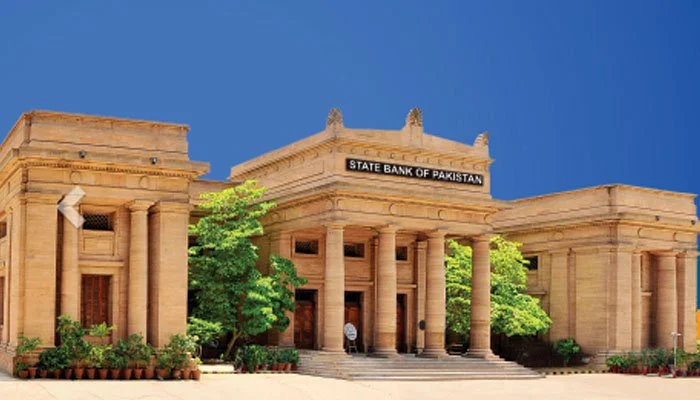
KARACHI (Oct 26): The State Bank of Pakistan (SBP) has raised its benchmark interest rate by 50 basis points to 12%, citing inflationary pressures triggered by escalating global energy prices amid the ongoing conflict between Iran and the United States.
The decision was finalized on Monday during a Monetary Policy Committee (MPC) meeting attended by all 10 members. According to the Governor of the State Bank, the decision was nearly unanimous, with nine out of ten members voting in favour of the 50 bps hike.
Energy shocks and inflationary outlook
Addressing a press conference following the meeting, the SBP Governor highlighted that global crude oil prices have surged past $100 per barrel due to the geopolitical conflict, directly impacting domestic inflation and the external account.
“While inflation stood at 7.1% last year, and initial first-quarter projections indicated we would hit our year-end targets, the sustained high oil prices mean achieving these targets will now take more time,” the Governor stated. He noted, however, that core inflation has shown signs of improvement over the past two months. The new policy rate was also announced on the official X (former twitter) handle of the State Bank of Pakistan.
The Monetary Policy Committee (MPC) decided to increase the policy rate by 50 bps to 12 percent in its meeting today, with the majority decision of nine out of ten members, with effect from October 27, 2026. For details: https://t.co/9AzpnhseRS https://t.co/FsR8gt2WMX
— SBP (@StateBank_Pak) October 26, 2026
Economic growth and trade projections
Despite external shocks, the central bank maintains a positive outlook on domestic growth, projecting GDP growth between 3.5% and 4.5% for the current fiscal year. This momentum is largely supported by an turnaround in the agricultural sector and improved yields of major crops.
On the trade front, the SBP estimates that exports will remain steady between $32.5 billion and $33 billion. Imports, which stood at $64.5 billion last fiscal year, are expected to experience a minor increase of $1 billion to $1.5 billion. Consequently, the current account deficit is projected to be contained between 0% and 1% of GDP.
Surge in remittances and the ‘Pasban’ initiative
The Governor reported a robust influx of worker remittances, which reached $10.9 billion in the first quarter alone. Upwardly revising the initial annual target from $44 billion, the SBP now expects total remittances to reach $45 billion by the end of the fiscal year. Over the last five years, total remittances sent home by overseas Pakistanis have doubled.
To further incentivize legal channels, the Governor announced the launch of the “Pasban Remittance Scheme,” with its first promotional lucky draw scheduled for January 2027. He emphasized that policies addressing overseas workers must be formulated by looking closely at brain drain data.
Reserve management and debt servicing
Detailing the country’s financial turnaround, the Governor stated that foreign exchange reserves have dramatically risen to $21.5 billion, up from a critical low of just $3 billion in 2023.
The SBP achieved this accumulation by purchasing $30 billion from the market, using the funds to both service sovereign debt and build fiscal buffers without relying on excessive new foreign loans. Total foreign debt currently stands at $107 billion. Over the last four years, Pakistan has paid $4 billion annually in interest, totaling $16 billion in interest payments.
Looking ahead, the Governor expressed confidence that foreign exchange reserves will scale up to $23 billion by December 2026, and are projected to reach $25 billion by June 30, 2027.
Pakistan and Sweden revive bilateral investment treaty and pledge economic boost
Exchange companies reforms
The central bank also provided an update on its structural cleanup of the currency market. Following strict regulatory changes, only 16 foreign exchange companies are currently operating, down from the previous 166. To streamline operations, 12 commercial banks have established their own exchange subsidiaries, while two more are currently finalizing preparations to launch theirs.
Copyright YeJahan News Network, 2026