Last Updated on October 20, 2026 by YeJahan
YEJAHAN REPORT
KARACHI (Oct 20): The report of the judicial commission in the Mir Raza Ali murder case has lamented the epic failure of Karachi police, ruling out the suicide narrative and recommending the formation of a joint investigation team to probe the case.
The one-member commission, headed by Sindh High Court Justice Omar Sial, formally submitted its findings to the Chief Minister of Sindh on October 15. The scathing review closely mirrors the long-standing grievances aired by the victim’s family and legal counsel, warning that flawed police work has heavily damaged public trust to the point where future findings may be met with permanent skepticism.
From suicide claim to homicide probe
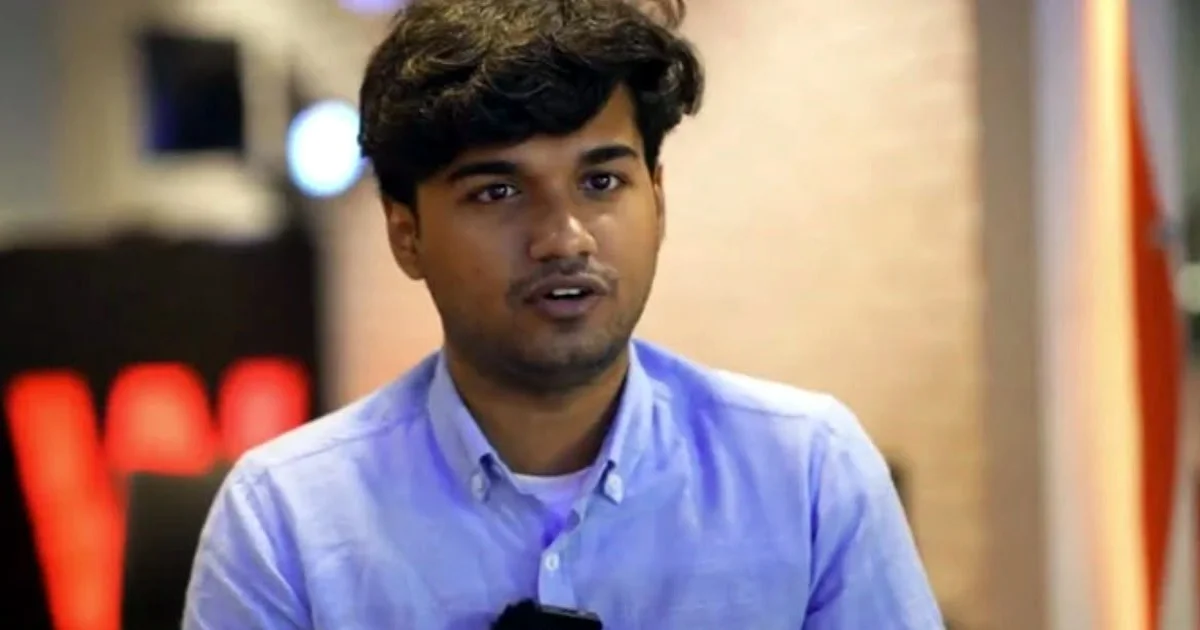
Mir Raza Ali, a graduate of the Institute of Business Administration (IBA) and an artisanal waffle entrepreneur, vanished on the morning of July 28 after leaving his home in the PECHS neighborhood. His family promptly reported him missing to the Firozabad Police Station, prompting a kidnapping registration.
The following day, Ali’s body was recovered within the jurisdiction of the Gulistan-e-Jauhar Police Station.
Following a preliminary post-mortem examination at Jinnah Postgraduate Medical Centre, police authorities quickly closed ranks around a suicide theory. The victim’s family aggressively contested the ruling, pointing to extensive signs of physical trauma on the body.
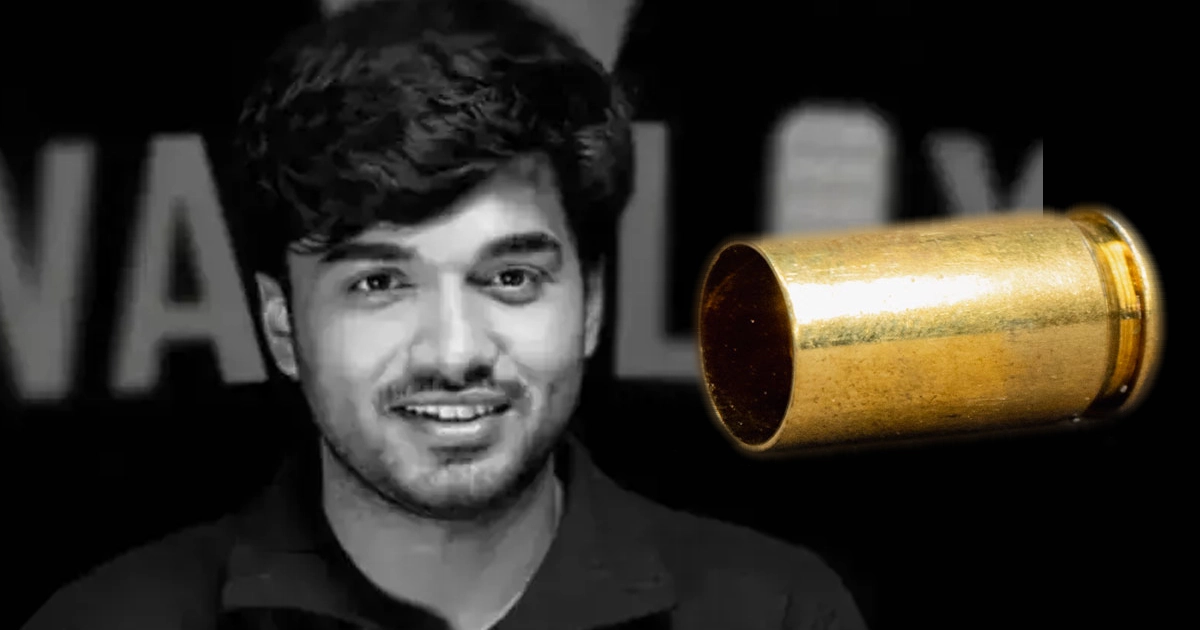
Amid public outcry and following a subsequent judicial directive, Ali’s body was exhumed on August 8 after irregularities were exposed in the initial medical assessment. A second autopsy revealed the definitive cause of death: a single gunshot wound to the back of the head. Medical experts formally ruled out suicide, forcing investigators to upgrade the case to a homicide and append charges of tampering with evidence.
Systemic failure and conflicting actions
The judicial commission sharply criticized the department’s persistent narrative of suicide, noting that senior officers prematurely anchored their conclusions on unverified text messages, highly selective video footage, and a misinterpretation of early medical data.
“Issuing conclusive findings prior to a comprehensive investigation constitutes an entirely unprofessional act,” the commission noted, citing a total vacuum of leadership, oversight, and internal accountability. Investigators failed to maintain proper logs, despite dozens of authorized and unauthorized officers entering the active crime scene and interrogating key subjects. Senior command staff reportedly ignored visible flaws in the investigation rather than correcting them.
The report further highlighted administrative manipulation surrounding the medical inquiry. On August 6, an eight-member medical board spearheaded by Police Surgeon Dr. Summaiya Syed was formed to oversee the exhumation. Within 24 hours, the Sindh Health Department abruptly dissolved it into a five-member panel.
The Ali family rejected the altered board, stalling the exhumation until public pressure and formal legal notices forced the reinstatement of the original eight-member team. The commission explicitly held top health officials—specifically the Secretary and Special Secretary of Health—responsible for the unauthorized shift.
Executive oversight and future inquiries
The commission also scrutinized an August 9 meeting held at the Chief Minister’s House involving senior police officials and a Dr. Osama. While the report found no direct evidence that the session was used to intimidate medical staff, it noted that inviting the police surgeon would have provided critical transparency.
Because vital material evidence was compromised during the initial days of the probe, the commission concluded that standard investigative routes are no longer sufficient. It has recommended the immediate formation of a Joint Investigation Team (JIT) led by Deputy Inspector General (DIG) Irfan Baloch. To restore public confidence, the commission advises integrating senior intelligence operatives from the Inter-Services Intelligence (ISI), the Intelligence Bureau (IB), the Pakistan Rangers Sindh, and the National Cyber Crime Investigation Agency (NCCIA).
Additionally, the report calls for a separate federal inquiry, preferably led by the Federal Investigation Agency (FIA), to audit the conduct of the responding police officers during the initial ten days of the case. The committee will determine if officers willfully suppressed evidence or violated statutory duties under the Pakistan Penal Code, clearing the path for concurrent departmental and criminal prosecutions.
The commission concluded by demanding a formal public apology from the Sindh Police and urged the provincial government to issue binding guarantees that all subsequent legal proceedings will be managed with strict impartiality and transparency.
Lawyers’s reaction
Mir Raza murder case lawyer Jibran Nasir, while reacting to the report, stated that today’s findings should be viewed positively. He highlighted that the commission has explicitly confirmed Mir Raza was indeed murdered, meaning any contrary stance taken now would purely reflect bad faith. The report also notes that complete trust has been restored between the public, the victim’s family, and the police. Furthermore, it emphasizes that only an intelligence-based investigation can bring the actual facts to light.
Nasir added that to protect its own credibility, the Sindh government must now agree with the family’s position and form a Joint Investigation Team (JIT). Given the scale at which evidence was destroyed in this case, he stressed that the Federal Investigation Agency (FIA) must take action against the officers involved. Nasir concluded that they will now wait for the report’s recommendations to be implemented; otherwise, they will approach the court—potentially moving the High Court alongside the commission’s proposals.
Mir Raza murder case: Postmortem conducted by a ‘sweeper’?
Mir Raza Ali, a resident of PECHS Block 2, was an IBA student who had been running his own business under the name “Wafflex” in Bahadurabad and North Nazimabad. His body of 25-year man was found on July 29, 2026 in Gulstan-e-Jauhar.
Police claimed that Mir had committed suicide, but when family raise hue & cry and turned to court for the exumation of the body, it was revealed the it was a murder.
The victim’s family has demanded swift justice, urging authoritie1s to ensure that those responsible for the killing are brought to book.
Copyright YeJahan News Network, 2026