Last Updated on November 1, 2026 by YeJahan
YEJAHAN DESK
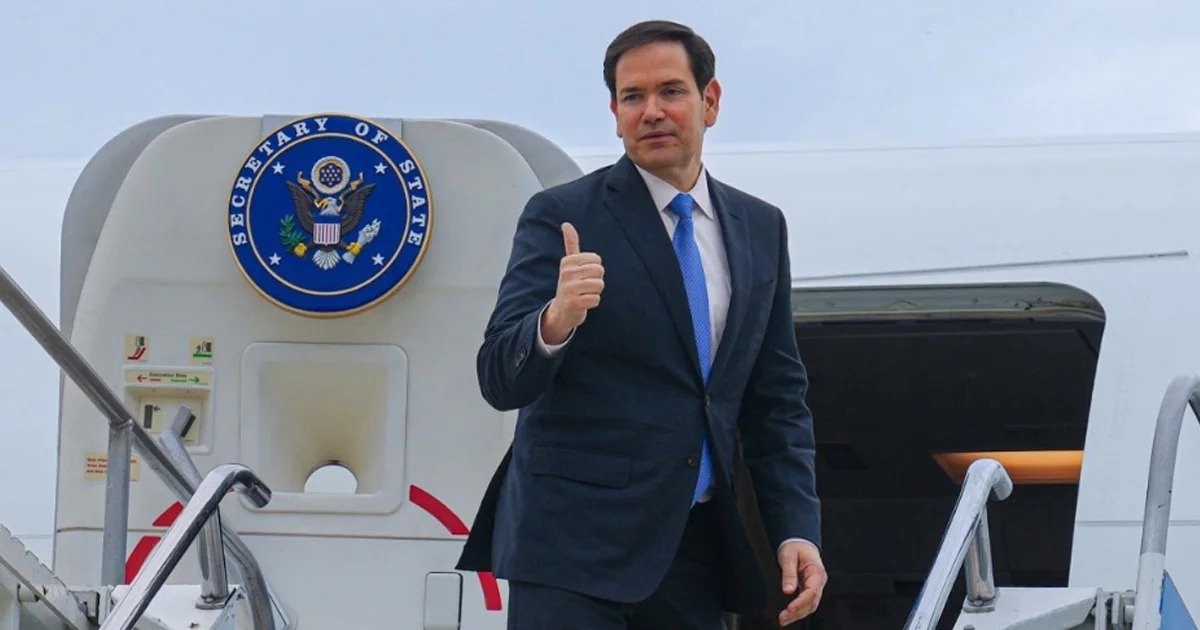
ATLANTA (Nov 01): United States Secretary of State Marco Rubio stated on Saturday that Washington has acknowledged Pakistan’s growing security concerns regarding cross-border terrorism originating from Afghanistan, signaling a potential American diplomatic or counterterrorism role if both sides find it productive.
Speaking during a press briefing in Atlanta, Rubio addressed the escalating bilateral friction between Islamabad and Kabul, noting that Pakistan remains highly vulnerable to attacks launched from across its western border.
“Pakistan is concerned about terrorist attacks that are being sponsored from the territory of Afghanistan,” Rubio said. “They feel as if the Taliban have not done enough to constrain those attacks, and they have taken action against it.”
While acknowledging that Washington lacks a close working relationship with the de facto Taliban authorities in Kabul, Rubio emphasized that the US opposes terrorism unconditionally. “We obviously have heard those concerns on their part. We obviously don’t want them to be targeted for terrorism. So if there’s a productive role for us to play, we would play it,” he added.
Rubio’s remarks coincide with a sharp diplomatic escalation between Pakistan and Afghanistan. On Saturday, Pakistan’s Ministry of Information issued a strongly worded rebuke against the Taliban regime, criticizing what it termed a “persistent refusal to address terrorism” festering on Afghan soil.
MIDNIGHT RAIDS: Pakistani jets bomb militant hideouts in Afghanistan after Kohat attack
The diplomatic spat was triggered by comments from Afghan Taliban spokesperson Zabihullah Mujahid, who attributed the deteriorating relations to Islamabad’s internal policies rather than cross-border militancy. Pakistan’s Information Ministry countered that Mujahid’s remarks expose Kabul’s “deeply misguided approach” and an unwillingness to confront the sanctuary enjoyed by the banned Tehreek-i-Taliban Pakistan (TTP) inside Afghanistan.
“The Taliban leadership continues to blame Islamabad’s policies while conveniently ignoring the single most important issue poisoning bilateral relations: its persistent failure to address terrorism emanating from Afghan soil,” the ministry’s statement read.
Despite multi-round diplomatic interventions over the past year, including talks facilitated by Qatar and Turkey, alongside recent parallel efforts involving China, diplomatic progress remains stalled. Regional dynamics have grew increasingly complex; Russia, which formally recognizes the Taliban administration, recently offered to mediate the dispute.
The offer follows a tense Moscow Format consultation on October 5, which concluded without a joint communiqué due to sharp disagreements between Pakistani and Taliban delegations over the inclusion of references to regional terror networks.
In Islamabad, Foreign Office spokesperson Sajjad Haider Khan stated during a weekly briefing that while Pakistan welcomes constructive engagement from friendly nations, formal dialogue with Kabul cannot be unconditional. Khan added that the Foreign Office was not currently reviewing any structured, formal Russian mediation proposal.
The diplomatic impasse continues to mirror volatile conditions on the ground. Following calibrated Pakistani airstrikes targeting militant hideouts in September, intermittent border skirmishes persisted through October, with Pakistani security forces returning fire across the Durand Line in the Kurram and Lower South Waziristan sectors.
Copyright YeJahan News Network, 2026